QUIET REVOLUTIONARIES
The untold story of the Married Women’s Association.
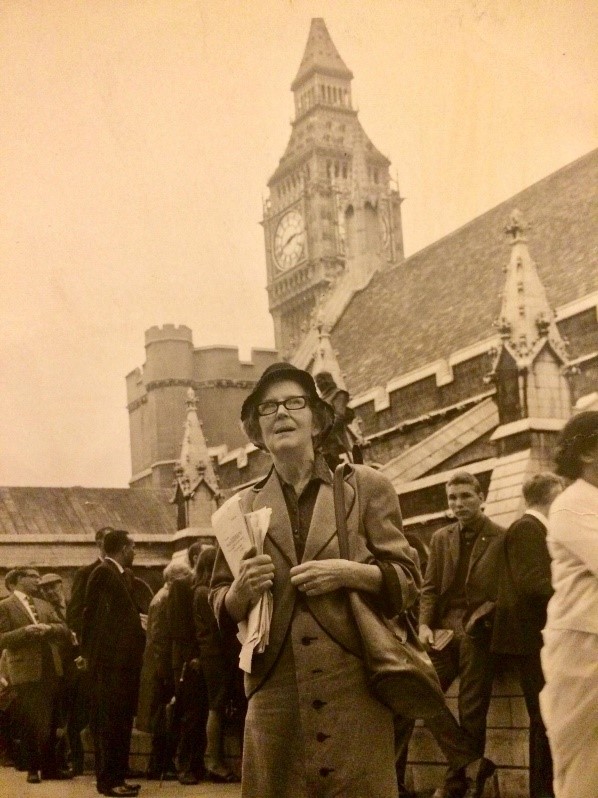
While some revolutions are violent and bloody, dominating the headlines and crashing on the world stage, other revolutions are slower, unseen but often more enduring.
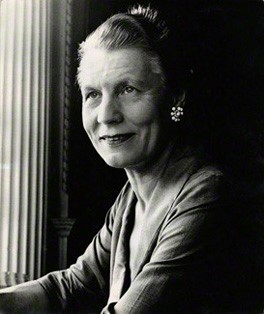
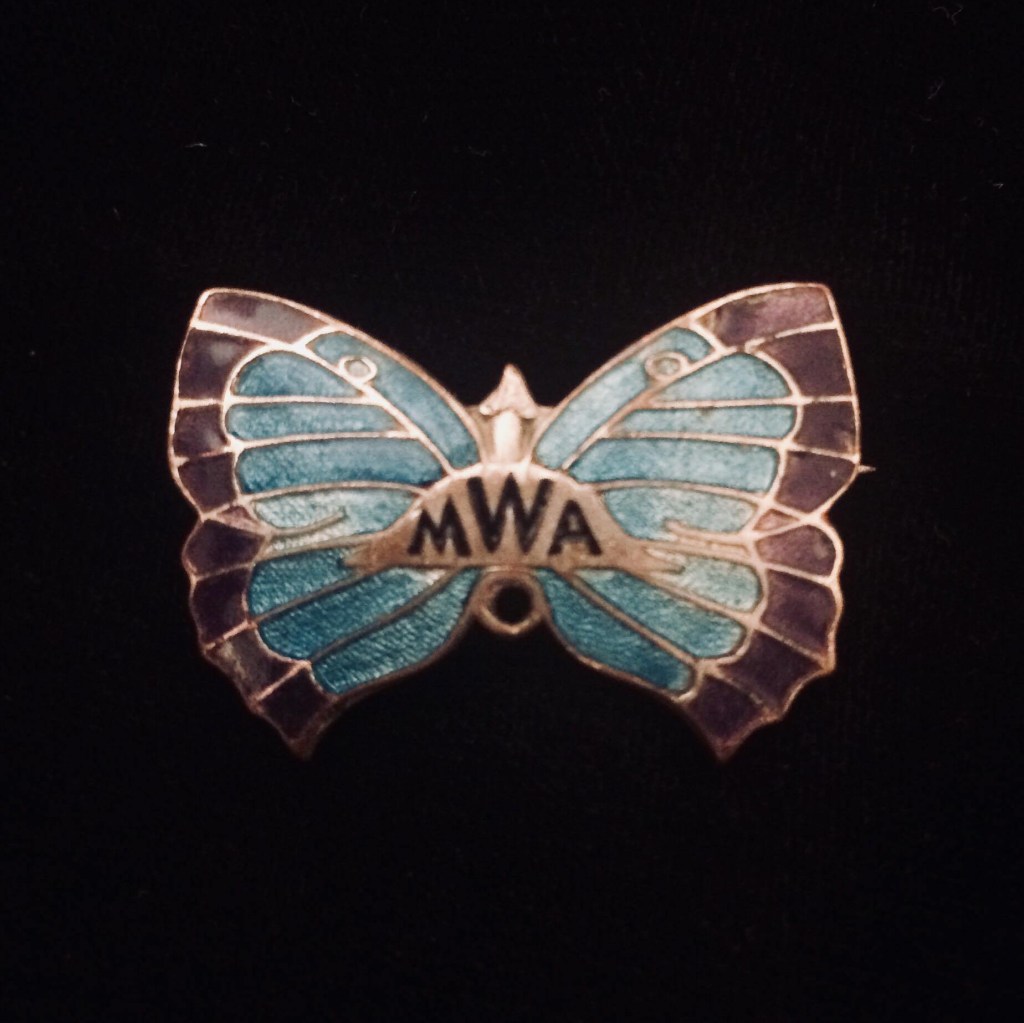
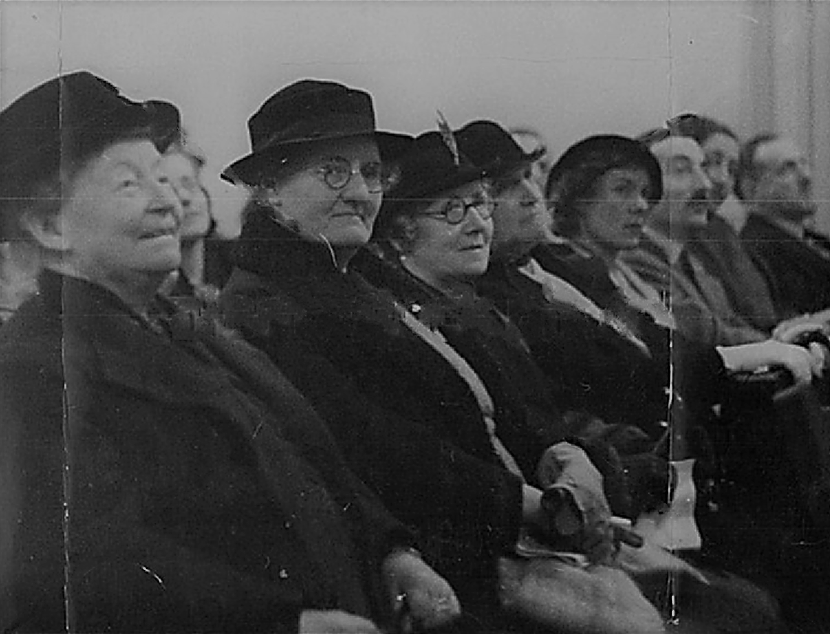
Founded in 1938 by former suffragettes, the MWA had one overriding ambition: equal partnership in marriage.
Its leading members included:
- Edith Summerskill – Labour MP and doctor
- Vera Brittain – author
- Dora Russell – author
- Doreen Gorsky (Stephens) – the BBC’s first female Executive
- Helena Normanton – the first woman to practise as a barrister
- Ambrose Appelbe – solicitor and campaigner
- Teresa Billington Greig – suffragette and leader in the women’s movement
“I’m not asking for protection, I’m asking for legal rights in hard cash.”
JUANITA FRANCES, FOUNDER OF THE ASSOCIATION.
This project takes a socio-legal and historical approach to tell the untold story of the Married Women’s Association and its campaigns for economic equality in marriage. For the first time, this project provides evidence of the Married Women’s Association’s impact on the development of marriage and divorce law in England and Wales.
“The influence and importance of the Married Women’s Association and its visionary leading lights … ought to be much better known, not only among family lawyers but also among everyone who is interested in the movement for women’s equality. Sharon Thompson has enriched our knowledge and understanding by shining a light upon these quiet revolutionaries.”
–
Lady Hale
Former President of the Supreme Court of the UK
“Quiet Revolutionaries brilliantly illustrates the value of taking a feminist approach to legal history. Meticulously researched and engaging, it shines a light on an overlooked but vitally important campaign for substantive equality with marriage and on the challenges of reforming the law.”
–
Rebecca Probert
Professor of Law, University of Exeter
“Economic dependence in marriage was an abiding concern for twentieth-century feminists, but until now we have known too little about how activists used the law as a tool for change. Deeply researched and highly readable, Sharon Thompson’s book recovers the dogged campaigning of the Married Women’s Association, revealing its steely efforts to reshape norms about gender, power and the value of women’s labour in the family.”
–
Helen McCarthy
Professor of Modern and Contemporary British History, University of Cambridge
 The Married Women's Association